
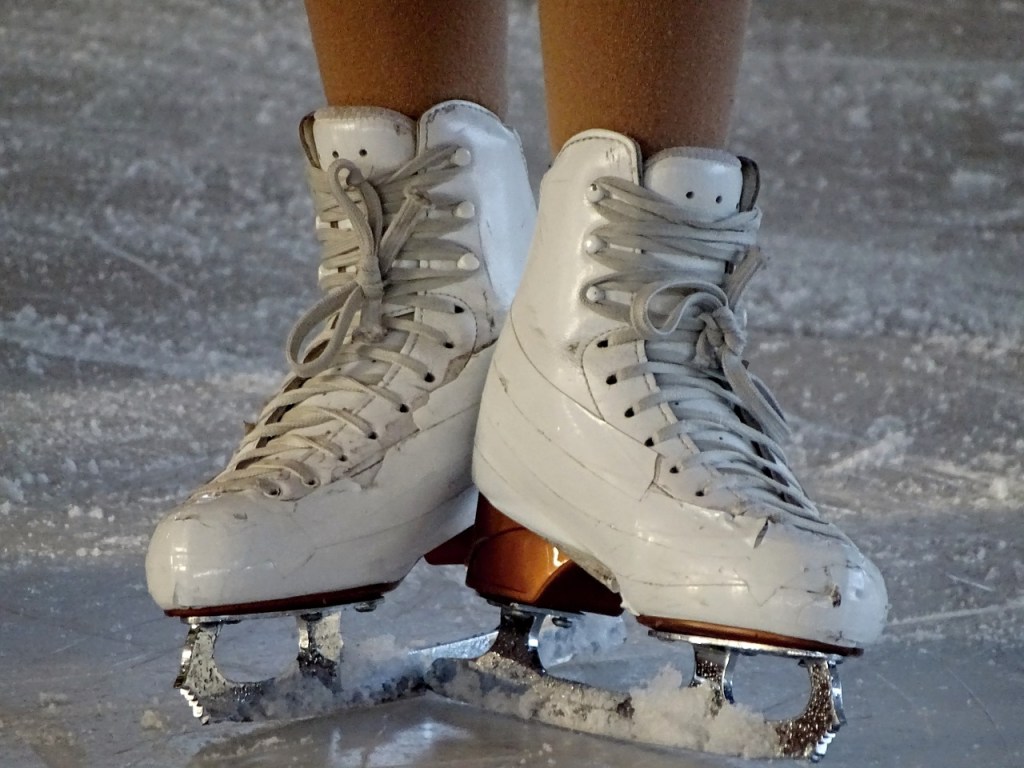
Your skater and their team have just completed their skate. Athletes stand anxiously in the kiss-and-cry area. There may be smiles and happiness about what they just performed, or they may be nervous knowing it was not their best. We all wait, sometimes for what feels like an eternity, while the judges award their marks and the scores become public.
This process can be exhilarating or cruel, depending on the result. Teams that break through new scores are excited – jumping up and down and hugging one another in celebration. Teams that don’t can be crushed and defeated. Shoulders shrug while tears flow as they leave to return to the locker room, dealing with the immediate emotional response. Our kids are on public display through it all – doing their best to keep their composure.
As parents, on the other hand, we have the luxury of dealing with these same feelings and emotions as a spectator without cameras and eyes on us. You may be excited because this was the best your athlete or their team has ever done. I remember being so excited the first time my daughter successfully completed a challenging twizzle sequence! You may be disappointed because some falls or problems will hold them back. Worse yet, you might be anxious because your child fell or caused a problem with the program. Words and reactions speak volumes to your athlete. Remember that highs and lows alike teach our skaters valuable life lessons.
Your response can serve as a role model for other parents and skaters. I would love to say I have seen stellar behavior from both skaters and parents in either situation. Unfortunately, that is not true, having seen arrogant winners and sore losers. And I wish I could say I was always the role model in the heat of the moment.

Here are some reminders as you watch the scores come in.
- If the team did better than expected, be happy! Celebrate the performance more than the score. Skaters can influence the score, but they do not control it. Scores can go up or down from competition to competition. Strong performances are the result of hours of dedicated practice. Celebrate the commitment to excellence and preparation. Athletes spend far more time in practice than they do performing! While we are often laser-focused on the result, helping our athletes appreciate the process is a healthier approach. Acknowledge that results are just the icing on the cake.
- Save the negative talk for private. You never know who is around you, including other skaters, team parents, and officials. When you wear team spirit apparel, you represent your skater and club. Always do it positively. Talking negatively about another team, whether higher or lower in points than your team, serves no one. I’ve received negative rink language before, and it can be toxic. Walking away or removing yourself from the conversation is usually the best way to handle it.
- It’s hard when the team goal is to win, only to see them come in second. Remember that hundreds of athletes would LOVE to be second. While being first might have been the goal, athletes often forget how fortunate they are to be in the top tier of their sport. As a parent, help them see the bigger picture. Only one team can win every division. That doesn’t make all of the other competitors less worthy. I have witnessed skaters throwing second-place medals into a trash can. Think about that. Would you want your athlete to respond that way?
- Every team has different goals – support the goals, whatever they may be. I remember one year when my daughter was in the happiest fourth-place group ever! You would have thought they won nationals with their pride in that pewter medal. Sometimes, finishing in the middle of the pack was a great accomplishment.
- Avoid criticizing the officials. Officials are evaluating what they see at that moment and are doing their best to remain unbiased. There is no conspiracy to rank your team higher or lower. The evaluation criteria are (mostly) clear. Officials are also evaluated after each event, always trying to do their best for the skaters and the sport. Programs look different from the judging stand than they do from the bleachers. What you saw may be different from what they saw in that moment.
- Often, our athletes handle a fall or mistake with much more grace than the parents. Ice is slippery. Mistakes happen. If it was your skater, be supportive. Let the coach make the necessary corrections at the next practice. If it was another skater, help your athlete be supportive rather than tear them down. It can happen to any of them. Next time, what if it is your child? How would you want their teammates to treat them? They will likely all fall at least once in their competitive career. Mine has! How quickly they get up and how they respond matters the most.
- Find the small wins to keep your skater motivated to improve. Maybe there was an element awarded at a level they were hoping for. Perhaps a grade of execution (GOE) was higher than it was the last time. You may have to look deep, but there is always something to be proud of.
- When the stakes are high, so are the emotions associated. For teams trying for the national or international stage, setbacks can feel like dream crushers. Keeping your athlete focused on improvements to get to the next level of success is critical. The higher the pressure, the harder your emotions are to control – I know this firsthand. The process to achieve Team USA or World Team status is intense for the coaches and athletes! Parents do not need to contribute any additional pressure.
- Despite the result, one competition will not define an athletic career, just like one less-than-perfect performance should not determine the success of a competitive season.
- We spend so much money and time on this sport that we often forget it is just skating! Keep things in perspective. We are all lucky to be a part of something so spectacular.

 in synch mom